If you want a State Farm quote that is both accurate and competitive, the quality of the information you bring to the table matters more than most people realize. After two decades of watching quotes swing by 10 to 30 percent based on missing data, old assumptions, or fuzzy details, I can tell you that a focused checklist saves time, avoids rework, and keeps you from overpaying. A good State Farm agent, or any seasoned professional at an insurance agency, will build your auto and home profile around specifics that anchor price to risk. The documents below are the levers. Bring them, understand why they are asked for, and you will get a quote that is closer to what you will actually pay when the policy issues.
How a quote gets built behind the scenes
Think of a quote as a risk picture painted in layers. The carrier, in this case State Farm insurance, blends what you tell them, what third parties report, and what is already known in various databases.
For car insurance, the core inputs are the vehicles, drivers, driving records, garaging addresses, and how the cars are used. From there, the system pulls motor vehicle reports, verifies prior insurance, and pairs your VIN with safety and loss data. For home insurance, the property profile is key. Square footage, construction type, updates like roof and electrical, and risk features such as pools or dogs all feed a replacement cost estimate and a loss model. A claims history report, often a CLUE report from LexisNexis, ties your personal loss history to pricing.
Why do the documents matter? Because they provide the highest resolution picture. When your State Farm agent can enter a full VIN instead of guessing from a trim level, or verify your roof was replaced in 2021 with architectural shingles, the algorithms reward that precision. That is why quotes tighten when you return with missing details, and it is why an insurance agency near me will often ask for the same items State Farm asks for: they face the identical underwriting engines.
The short auto checklist: what to gather
- Driver information for all household members with licenses Vehicle details, including VINs and current mileage Current or prior insurance declarations page Driving history context and documents, if any incidents Loan or lease information, including lienholder details
Why the auto items matter and how they move the price
The first thing a State Farm quote needs for car insurance is a complete driver roster. That means everyone in the household who holds a license, not just the people you want on the policy. If you live with a college-aged son who still uses your address for mail, the company will ask whether to rate or exclude him. Concealing a licensed household member backfires when the motor vehicle report and address cross checks flag a mismatch. If your student is more than 100 miles from home without a car, that often qualifies for a discount, but the agent will need proof of enrollment and the school address to apply it.
Vehicle specifics do more than identify a car. The VIN unlocks safety features that can cut rates by meaningful amounts. A 2020 Camry with Toyota Safety Sense can rate differently than the same model without it. Current mileage helps the agent choose the right usage band. A 7,500 mile commuter profile is not the same risk as a 22,000 mile ride share setup. If you drive for a rideshare platform, you will need to disclose it. Some carriers, including State Farm, offer a specific endorsement. Skipping that disclosure creates a painful coverage gap when a claim hits while you are available for hire.
A current declarations page from your existing policy is underrated. It shows your coverage selections, deductibles, endorsements, accident forgiveness features, and longevity discounts. Without it, an agent has to guess at apples to apples. That is how you end up comparing a $500 deductible with rental reimbursement on one side to a $1,000 deductible without rental on the other. I have watched clients think a quote is $120 cheaper, only to find out the rental car coverage was missing and the glass deductible doubled. The dec page shortcuts that confusion and can also unlock a prior insurance discount, particularly if you have been continuously insured for at least six months.
Driving history is verified with a motor vehicle report, but context changes pricing outcomes. If you have a speeding ticket, the date matters, and whether you took a defensive driving course can matter too. If you were rear ended and found not at fault, many states do not surcharge those losses. If you carry SR‑22 or financial responsibility filings, bring the court order or DMV letter. A good State Farm agent will align your filing dates with the policy term so you do not pay longer than necessary. For teens, bring driver education completion certificates. Teen driver rates are high, but programs like Steer Clear can shave a noticeable amount for safe habits when paired with telematics.
Loan and lease details signal two things. First, who the loss payee is, so the policy lists the correct lienholder. Second, whether you need gap coverage. If you financed with a small down payment or you are in the first two years of a lease, ask the agent to run the numbers with and without gap. I have seen gap add as little as $4 to $8 a month and save clients thousands after a total loss, especially with fast depreciating models.
There are edge cases that reward specificity. If you garage a vehicle at a second address, such as a college apartment or a small business location, the garaging zip code can shift rates up or down. If you own a classic or collector car that is rarely driven, mention mileage caps, storage conditions, and any appraisals. Those cars may belong on an agreed value policy, and sometimes even within State Farm the rate is better when you classify them correctly. If you run deliveries for work, clarify whether it is occasional or primary commercial use. Mixing business use on a personal auto policy can be fine for certain occupations, but the line is not always bright. A candid conversation saves claim headaches.
Using telematics without regret
State Farm’s Drive Safe & Save program uses a phone app or connected device to measure driving habits like hard braking and time of day. If you are open to it, bring your smartphone ready to install and discuss typical driving patterns. Clients who commute outside rush hour and avoid late night trips often see noticeable discounts. If your schedule is stacked with midnight shifts and dense urban traffic, consider whether the base quote without telematics is wiser. Telematics is optional, but it is best decided when you quote, not months later.
The short home checklist: what to gather
- Property details and update history, including roof age Photos or inspection reports that show materials and systems Current homeowners insurance declarations page Mortgage and escrow information, including mortgagee clause Claims history for the property and insureds
Why the home items matter and how underwriters read them
Home insurance pricing rests on replacement cost and risk features. An accurate square footage, number of stories, foundation type, and roof material feed a replacement cost estimator. Without updates, the estimator often defaults to conservative assumptions. That inflates premiums and sometimes misstates coverage. If you replaced the roof in 2021 with architectural shingles, that should be in the quote. If your plumbing was repiped with PEX in 2018, bring the invoice or permit. Electrical updates are especially important if you replaced aluminum branch wiring, removed fuses, or upgraded to a grounded panel. The difference is not academic. I have seen a 12 to 18 percent swing just from documented roof and electrical changes in hail and wind prone zip codes.
Photos help more than people expect. Clear shots of the roof from the street, the electrical panel, heating and cooling units with model plates, and water heaters can confirm the update dates and materials without waiting for a third party. If you had a wind mitigation or four point inspection for a prior policy or a home sale, dust it off. Many carriers accept those reports for underwriting decisions, and they can unlock credits for hip roofs, secondary water barriers, and impact rated openings.
A current declarations page is as useful for home as it is for auto. It shows your dwelling limit, other structures, personal property, loss of use, liability limits, and endorsements like water backup, service line, or equipment breakdown. When you ask a State Farm agent for a State Farm quote, you should compare like to like or decide intentionally where to change. If your old policy set personal property at 70 percent of dwelling and you prefer 50 percent with itemized schedules for jewelry or fine arts, the dec page starts that conversation. I often review loss settlement terms too. Actual cash value on the roof versus replacement cost can be a big deal in hail country, and you do not want to discover it mid claim.
Mortgage and escrow details matter because they make the policy payable to the right place and prevent escrow shortfalls. The mortgagee clause is specific. Bring the full legal name and address shown on your statement, plus your loan number. If you refinance, tell your agent quickly so the lender change is endorsed. I have watched escrow shortages materialize because a lender switch lagged on the policy. If you plan to pay the first year yourself then roll into escrow, say so. The billing schedule will follow that plan.
Claims history is a two part check. The property’s past losses and your personal claims, wherever you lived before, can influence price and eligibility. Some minor weather losses age off after three to five years, but water damage and liability claims linger longer in underwriting. If a loss was cosmetic or under your deductible, still mention it. Sometimes a record exists even without a payout, and having your own narrative ready keeps the quote moving. Be prepared to answer cause, date, paid amount, and what repairs were completed.

There are subtleties that move the needle. Dogs are a liability factor in many states, and some breeds are restricted or require underwriting review. Pools add risk, especially without a fence. Trampolines and diving boards prompt more questions than any other backyard feature because of injury history industrywide. None of these are automatic declines in every market. What underwriters want is clarity on safety measures. A self locking gate, four sided fencing, and a pool alarm can quell concerns and sometimes temper a surcharge.
If you rent part of your home on a short term basis, say it clearly. Occasional rental can be insurable with the right endorsement, but regular Airbnb activity usually requires a different product structure. If you have a detached building used for a side business, that changes the risk and coverage approach. The inexpensive way to handle it is to explain the use, even if it adds a small premium, rather than fight a denied claim later.
Matching coverage to real life instead of a template
Having the documents is step one. Step two is using them to set coverages that match your tolerance for risk, your assets, and your habits. For car insurance, liability limits are where most people shortchange themselves. State minimums protect other drivers poorly and your assets not at all. If you own a home, have savings, or expect future earnings that a judgment could attach, consider at least 100/300/100 or a single limit of $300,000, and weigh an umbrella policy. The documents you bring for your auto quote, particularly the home details and adult household members, make the umbrella conversation practical because the agent sees the full picture.
Uninsured and underinsured motorist coverage is the quiet workhorse. In states with high rates of uninsured drivers, I have seen this coverage save clients from years of rehab bills. Medical payments or PIP should reflect your health insurance deductibles. If you carry a high deductible health plan, a modest bump in med pay can bridge a gap for little cost.
On the home side, choose deductibles with intent. If you have cash reserves and you live in a hail or wind prone region, there is an argument for a higher wind or named storm deductible paired with strong roof documentation and mitigation credits. If water damage keeps you up at night, look at water backup, service line, and equipment breakdown. These endorsements live in the dec page you brought. Your State Farm agent can price them in minutes when the base quote is anchored by good property details.
Digital quote versus a local agent visit
You can start a State Farm quote online, and for straightforward situations the system does a respectable job of guiding you through. If your documents are organized, you will finish in 15 to 20 minutes for auto and perhaps 20 to 30 for home, not counting time to hunt for roof dates or VINs. Where a local State Farm agent or an experienced insurance agency adds value is in the edges: teen drivers with part time cars, seasonal properties, short term rentals, LLC ownership of Car insurance statefarm.com homes, or multi policy bundling for extended households. When clients search for an insurance agency near me, they are often trying to solve one of these gray areas without trial and error.
Agents also know local inspection habits. In some markets, underwriters request exterior photos on homes above certain values. In others, they focus on roof age after a bad hail year. That practical knowledge saves time, because you can bring the right items to day one instead of waiting for a follow up email.
Timing, binding, and what happens if you are missing something
Most quotes can be built to 95 percent accuracy with what you bring initially. Binding coverage sometimes requires one extra step. For auto, a binding hold up usually comes from an unverifiable driver, a missing SR‑22 instruction, or a vehicle whose VIN does not decode cleanly because it is new or specialty. A quick photo of the VIN plate or a dealer purchase order usually fixes that. For home, a roof age discrepancy is the most common delay. If your closing documents or a contractor invoice are unavailable, an agent can often proceed with a reasonable estimate, but you might lose a roof age credit until you supply proof.
Do not be surprised if a post bind inspection follows a home policy issue, especially on higher values. That is routine. If the inspector notes peeling paint, missing handrails, or a tree limb overhanging the roof, you will get a request to fix the items. Responding promptly keeps your policy in good standing and avoids surprises at renewal.
Discounts you can plan for instead of hope for
Bundling home and auto with State Farm insurance, or any carrier that prices aggressively on multi line accounts, is still one of the largest predictable discounts. Depending on state and profile, I see 10 to 23 percent on auto and 5 to 18 percent on home when bundled. Drive Safe & Save, discussed earlier, is tangible for many drivers. Steer Clear for teens can layer on top when they complete the program. On the home side, monitored security systems, water leak sensors, and smart thermostats are not just gadgets. Some carriers add credits for them, and a photo of the panel or a monitoring certificate helps apply the discount immediately.
Longevity and claim free discounts build over time. If you are moving carriers, do not let more than a 30 day gap in coverage occur, even if you sold a car or moved out temporarily. A short lapse can erase a prior insurance discount and cost you more than a month of premiums would have.
About credit, privacy, and why consent matters
In many states, auto and home rates use a credit based insurance score derived from your credit report. It is not your FICO, and underwriters never see individual trade lines. Still, you will be asked for consent. If you decline, you might forfeit a discount that can be sizable. I encourage clients to allow the soft inquiry, then ask the agent to show a with and without comparison. If something looks off, you can request a rerun after you correct errors. The laws vary by state. In the handful where credit is prohibited for rating, your consent request will not appear.
Your driving record and claims history are pulled from state DMVs and databases like CLUE. If you see a claim you do not recognize, speak up. I have corrected more than a few water losses attributed to the wrong address or unduly assigned to a named insured instead of the previous owner. Clean records should produce clean pricing.
Common pitfalls and how to avoid them
People often trip on coverage definitions and assumptions. They believe full coverage means full protection. In practice, full coverage usually means liability plus collision and comprehensive on the car. It does not include rental reimbursement unless you add it, and it does not cover custom equipment unless stated. The declarations page you brought spells this out, and a quick review with the agent prevents the usual misunderstandings.
Another pitfall is mixing business with personal lines without telling anyone. Driving to a job site is fine. Delivering goods for a fee all day is not. If you store tools worth thousands in your car, personal auto is not designed to replace them if stolen. On the home side, home based businesses need attention. A few thousand dollars of business property can be added, but liability for clients visiting your home office is a separate question. When in doubt, ask early. The cost to structure it correctly is almost always less than the cost of a denial.
With homes, watch your valuation assumptions. Many homeowners want to insure for market value. Insurance cares about replacement cost, which can be higher or lower than market price. Land is not insured, labor spikes can briefly inflate replacement costs, and custom finishes, from imported tile to hand carved cabinetry, should be documented. Bring photos, invoices, or appraisals for high value items you want scheduled. It takes minutes to add and saves hours of stress later.
What a smooth appointment looks like
When a quote session goes well, it feels straightforward. You place your driver’s licenses and VIN list on the desk, show the prior declarations, and answer a few clarifying questions about how far you drive and where you park. For the home, you hand over roof and update dates, a few photos, and the mortgagee clause. The agent enters specifics, verifies third party reports, and you walk out with options. That is when you make choices: accept the telematics discount or not, take a higher deductible in exchange for a lower premium, add water backup to reflect the sump pump you rely on in spring. You sign, set billing for escrow or auto pay, and the policy issues cleanly. No last minute phone calls, no missing documents, no surprises.
Final thought before you call or click
A State Farm quote is only as good as the data feeding it. Spend twenty minutes gathering the five key items for each policy, and you will save yourself days of back and forth, not to mention money. If your situation is simple, start online. If you have complexities, a thoughtful State Farm agent or a trusted insurance agency will earn their keep in the first conversation. Either way, bring the right documents, ask for side by side comparisons, and choose coverages that reflect your real risks, not a template. That is how you turn a quote into a policy you can live with when life gets messy.
Business Information (NAP)
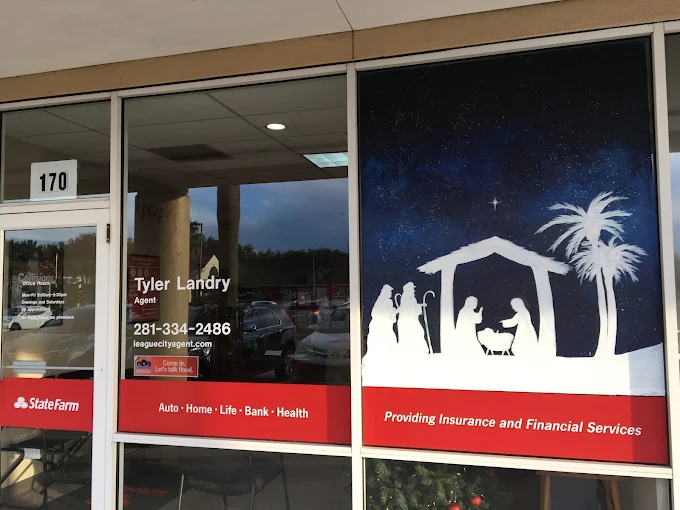
Name: Tyler Landry - State Farm Insurance Agent
Category: Insurance Agency
Phone: +1 281-334-2486
Website:
https://www.statefarm.com/agent/us/tx/league-city/tyler-landry-7lcwl759fgf
Google Maps:
View on Google Maps
Business Hours
- Monday: 9:00 AM – 5:30 PM
- Tuesday: 9:00 AM – 5:30 PM
- Wednesday: 9:00 AM – 5:30 PM
- Thursday: 9:00 AM – 5:30 PM
- Friday: 9:00 AM – 5:30 PM
- Saturday: Closed
- Sunday: Closed
Embedded Google Map
AI & Navigation Links
📍 Google Maps Listing:
https://www.google.com/maps/place/Tyler+Landry+-+State+Farm+Insurance+Agent
🌐 Official Website:
Visit Tyler Landry - State Farm Insurance Agent
Semantic Content Variations
https://www.statefarm.com/agent/us/tx/league-city/tyler-landry-7lcwl759fgfTyler Landry – State Farm Insurance Agent provides trusted insurance services in League City, Texas offering home insurance with a experienced approach.
Residents of League City rely on Tyler Landry – State Farm Insurance Agent for customized policies designed to protect vehicles, homes, rental properties, and financial futures.
Clients receive coverage comparisons, risk assessments, and ongoing policy support backed by a professional team committed to dependable service.
Reach the agency at (281) 334-2486 for insurance assistance or visit https://www.statefarm.com/agent/us/tx/league-city/tyler-landry-7lcwl759fgf for more information.
Get directions instantly: https://www.google.com/maps/place/Tyler+Landry+-+State+Farm+Insurance+Agent
People Also Ask (PAA)
What types of insurance are available?
The agency offers auto insurance, homeowners insurance, renters insurance, life insurance, and business insurance coverage in League City, Texas.
What are the business hours?
Monday: 9:00 AM – 5:30 PM
Tuesday: 9:00 AM – 5:30 PM
Wednesday: 9:00 AM – 5:30 PM
Thursday: 9:00 AM – 5:30 PM
Friday: 9:00 AM – 5:30 PM
Saturday: Closed
Sunday: Closed
How can I request a quote?
You can call (281) 334-2486 during business hours to receive a personalized insurance quote tailored to your needs.
Does the office assist with claims and policy updates?
Yes. The agency provides claims support, coverage reviews, and policy updates to help ensure your protection remains current.
Who does Tyler Landry – State Farm Insurance Agent serve?
The office serves individuals, families, and business owners throughout League City and surrounding Galveston County communities.
Landmarks in League City, Texas
- Kemah Boardwalk – Popular waterfront dining and entertainment area nearby.
- Walter Hall Park – Large park with sports fields and event space.
- Challenger Seven Memorial Park – Community park with historical significance.
- Clear Lake – Major recreational boating and waterfront destination.
- League City Historic District – Area featuring preserved historic homes.
- Baybrook Mall – Regional shopping and dining center.
- Space Center Houston – Nearby NASA visitor center and attraction.